

usagi tellin it like it is


“Image Credit: Carol Rossetti
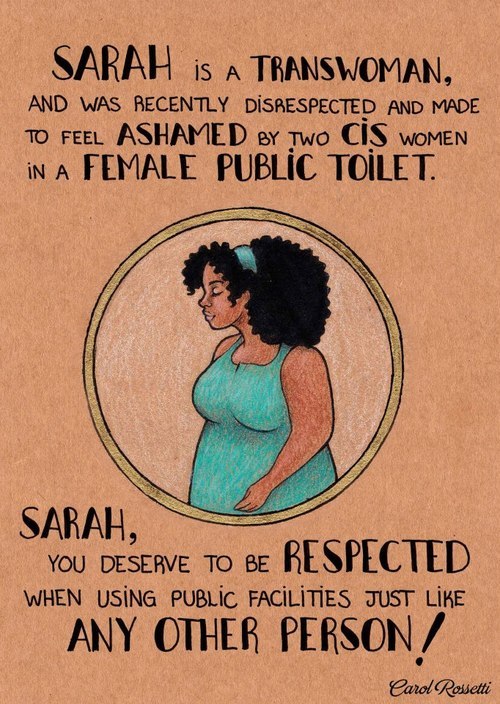
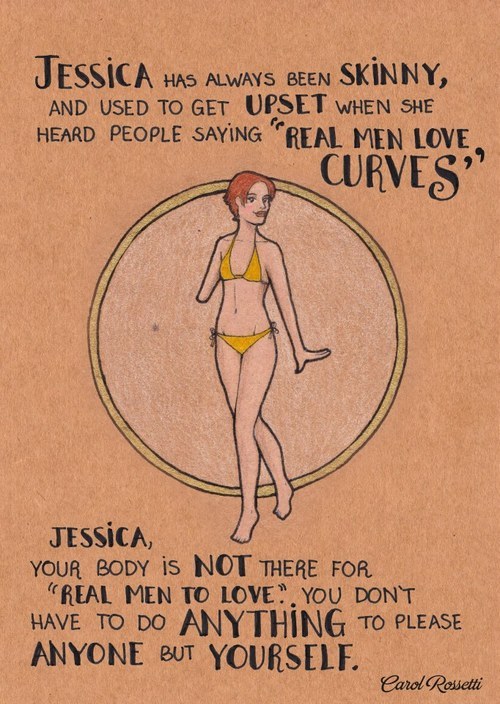
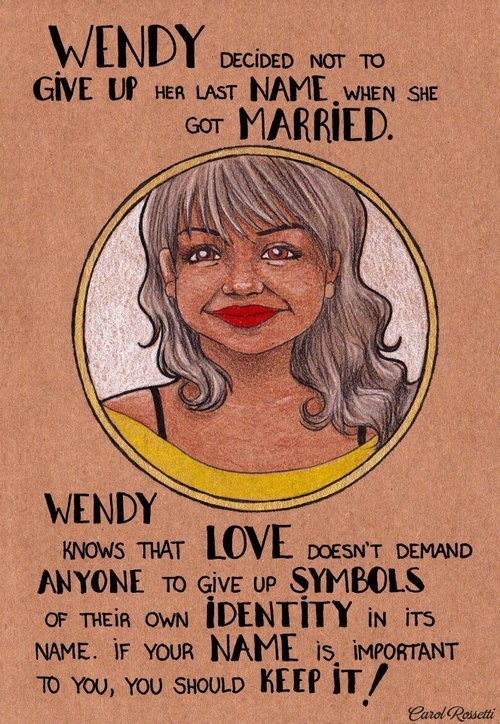
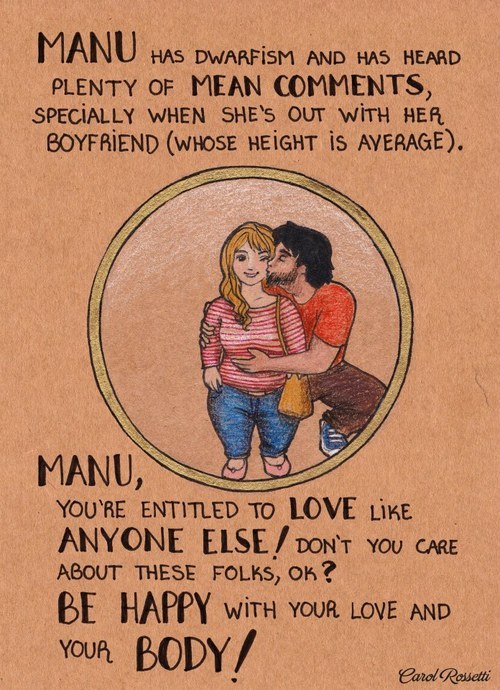
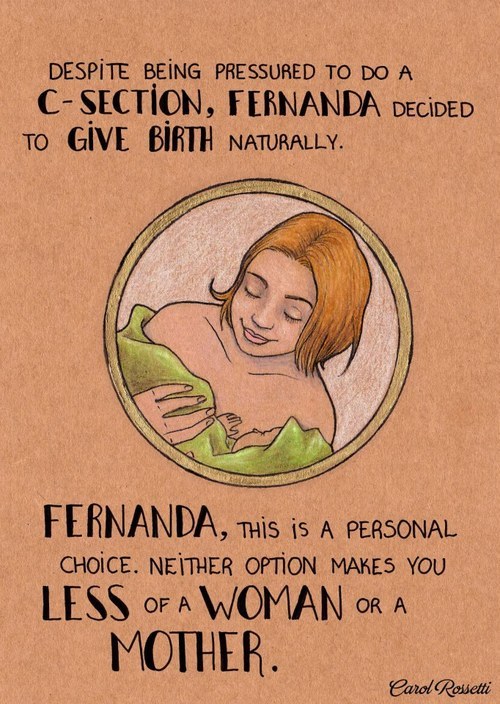
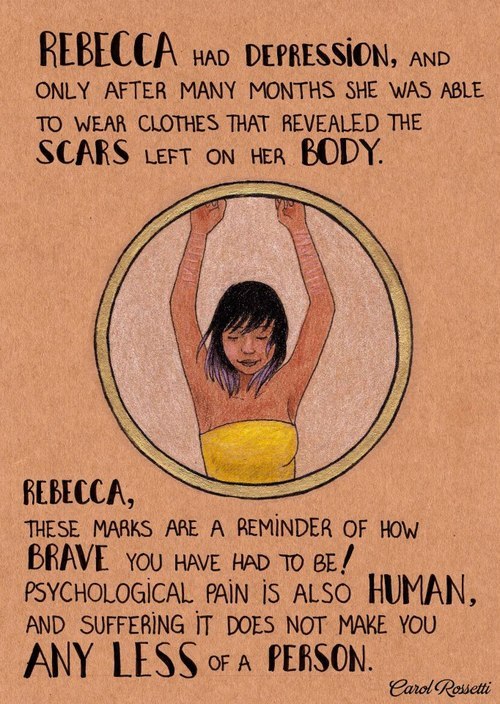
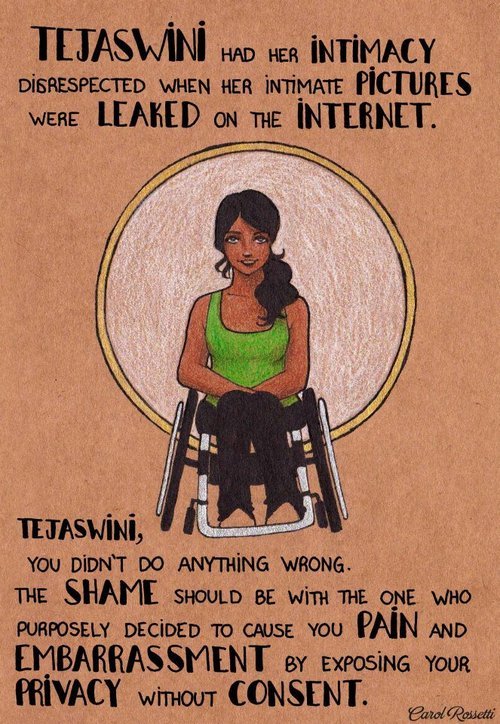
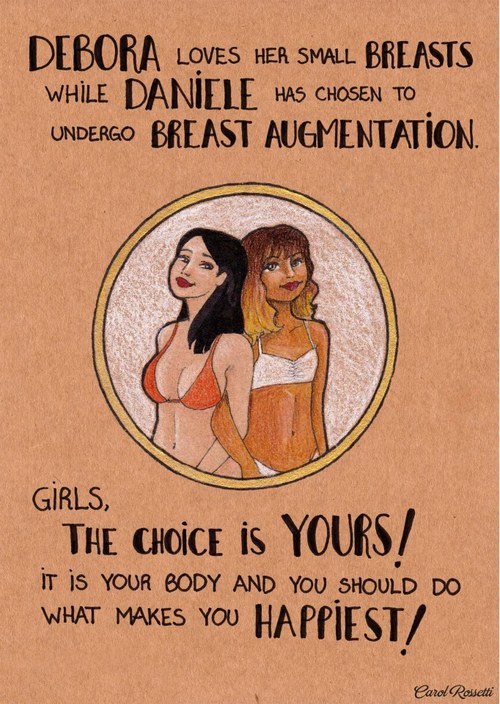
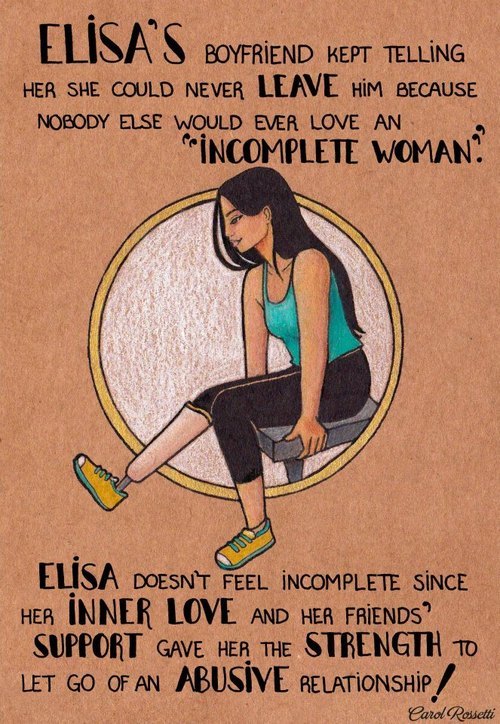
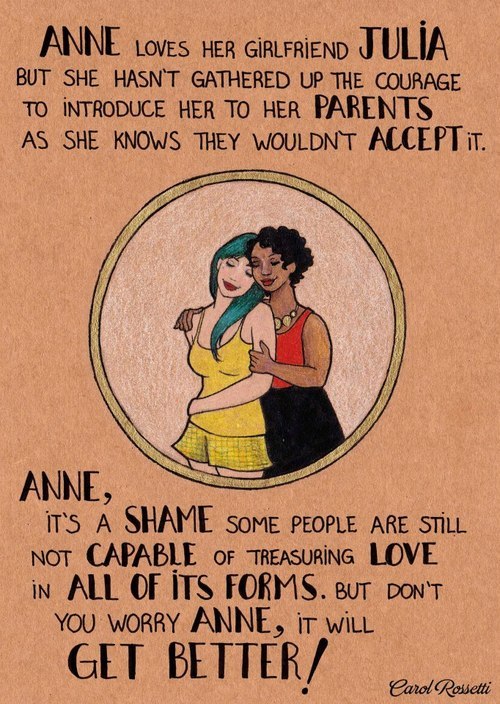
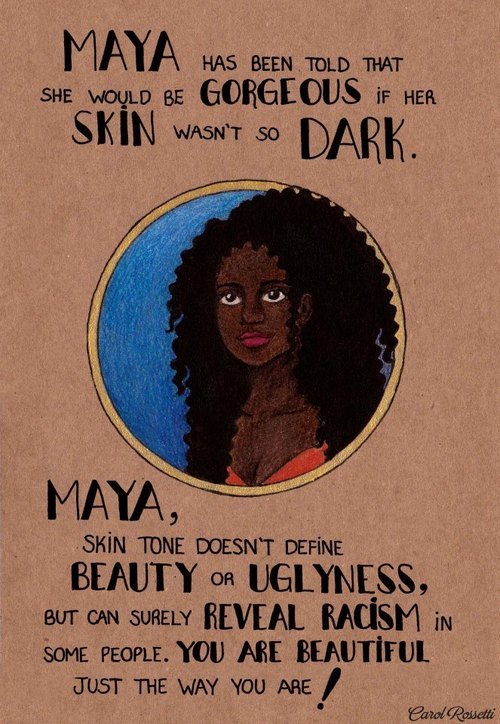
When Brazilian graphic designer Carol Rossetti began posting colorful illustrations of women and their stories to Facebook, she had no idea how popular they would become.
Thousands of shares throughout the world later, the appeal of Rosetti’s work is clear. Much like the street art phenomenon Stop Telling Women To Smile, Rossetti’s empowering images are the kind you want to post on every street corner, as both a reminder and affirmation of women’s bodily autonomy.
“It has always bothered me, the world’s attempts to control women’s bodies, behavior and identities,” Rossetti told Mic via email. “It’s a kind of oppression so deeply entangled in our culture that most people don’t even see it’s there, and how cruel it can be.”
Rossetti’s illustrations touch upon an impressive range of intersectional topics, including LGBTQ identity, body image, ageism, racism, sexism and ableism. Some characters are based on the experiences of friends or her own life, while others draw inspiration from the stories many women have shared across the Internet.
“I see those situations I portray every day,” she wrote. “I lived some of them myself.”
Despite quickly garnering thousands of enthusiastic comments and shares on Facebook, the project started as something personal — so personal, in fact, that Rossetti is still figuring out what to call it. For now, the images reside in albums simply titled “WOMEN in english!“ or ”Mujeres en español!“ which is fitting: Rossetti’s illustrations encompass a vast set of experiences that together create a powerful picture of both women’s identity and oppression.
One of the most interesting aspects of the project is the way it has struck such a global chord. Rossetti originally wrote the text of the illustrations in Portuguese, and then worked with an Australian woman to translate them to English. A group of Israeli feminists also took it upon themselves to create versions of the illustrations in Hebrew. Now, more people have reached out to Rossetti through Facebook and offered to translate her work into even more languages. Next on the docket? Spanish, Russian, German and Lithuanian.
It’s an inspiring show of global solidarity, but the message of Rossetti’s art is clear in any language. Above all, her images celebrate being true to oneself, respecting others and questioning what society tells us is acceptable or beautiful.
“I can’t change the world by myself,” Rossetti said. “But I’d love to know that my work made people review their privileges and be more open to understanding and respecting one another.””
From the site: All images courtesy Carol Rossetti and used with permission. You can find more illustrations, as well as more languages, on her Facebook page.
Oooh. I reblogged a partial version of this recently but I didn’t know how many more there were! I LOVE these!
OK SO THERE ARE TONS MORE OF THESE OF THE ARTISTS FB PAGE. GUYS THESE ARE AWESOME.
LOOK
AT
THESE
LETS APPLAUD CAROL ROSSETTI EVERYONE
LOOK
Um, these are like the best thing ever.
Just slow clap it out. ;w;
So many more!
I love all of these so much. Every time I see them I smile.
I want a print of the Amanda one, I think.


I’d like to thank my friend Avistew Teague for translating this!
So important.
This is so well done!
For anyone out there who is uncomfortable labeling themselves as a feminist, I ask you to take a second to read this and ask yourself if you agree with all of these points. If you do, congratulations! You’re a feminist!
And that’s a good thing! Feminists want everyone to be treated with the same dignity and respect, want everyone to have the same opportunities and chances in life, want everyone to be safe, happy and healthy, in control of their own bodies, able to access necessary healthcare and educational opportunities: to be equal.
Feminist is not a bad word.
i think it might be a good idea, when you’re designing a villain, if you look at them and think “why do these characteristics make me think of them as villainous” and like, if those characteristics reflect groups of real-life marginalized people….maybe, don’t go with those design choices?
*large hook noses, dark complexion, prominent lips, elderly, physical deformities, injuries, or disabilities, non-conforming gender presentation, obesity or overweight body types, improperly represented mental illnesses, sometimes sexual expression or agency especially in female villains, and certain accents*
If you couldn’t write your villain as a white, neurotypical, heterosexual, cisgender, conventionally attractive male, you need to rethink your characterization. Actions are what make a villain, not mental health, not race, not age, not gender, not sexuality, not ability, not dress, not scars, not attractiveness, not language, not nationality, not religion; actions, and what they do in their given situation. How they act on what they think. What they think about how they and others act. Not what they look like; that’s only there for a plus.
And even if your character is a villain by action, if your physical designs involve sterotypes of or striking similarities to real-life minorities, do without. Change it. It won’t hurt your character, if you truly are relying on character and not visual design. But media representation does hurt real-life people, even if you don’t intend it to reflect on or be representative of real-life groups. No art–writing or visual arts in any form–exists in a vacuum. It feeds back into life, which feeds into more art. Be aware; it’s okay to change, especially for the sake of others.
let boys cry more often 2k16

dil-howlters-uncreative-username:
WHY IS THIS SO HARD TO UNDERSTAND
Honestly? Because there is a ton of misandrists who called themselves feminist We all need to be better at pointing out when folks are being problematic, on both sides.
whatsortofamandoesntcarryatrowel:
Dad: Why do you think they do that?
Girl: Because the companies who make these try to trick the girls into buying the pink stuff instead of stuff boys want to buy. [x]that awkward moment when a child understands the harm of forcing gender roles better than most grown male politicians.
Always reblog.
I’m surprised that I haven’t reblogged this, to be honest.
I love that last gif. She looks so frustrated. Like “Um, hello, obviously girls and boys can like anything why doesn’t anybody get that???”
She does have a point though..

The last thing I’m going to post/reblog about this issue.
If only more people on tumblr actually believed this. Some of them do, but they don’t act like it.
m/
this is important













 ForeverSoaring Reblogs